Hyde Park
Austin · Canopied, quiet, block-specific zoning, priced accordingly

Hyde Park, Austin: the canopy tax and what a 1926 bungalow actually costs

The neighborhood East Coast transplants say finally felt familiar. Four residents on why the sidewalks, the trees, and the 1926 sewer lines are all one question.

1
Residents interviewed
Real, named, on the record
6+
Primary sources
Linked, cited, dated
Apr 21, 2026
Last reviewed
By Nathaniel Peters
None active
Corrections
Public log
Written and reviewed by
Nathaniel Peters · Founder & Editor

Crime data from APD sector reports and county sheriff data. School zoning from district lookup tools. Sub-area prices from Zillow and Realtor.com pulls calibrated to April 2026.

Updated Apr 21, 2026 Reviewed
$895K
Median sale
$1,750-$2,400
1BR rent
78
Walk score
Austin ISD
School district

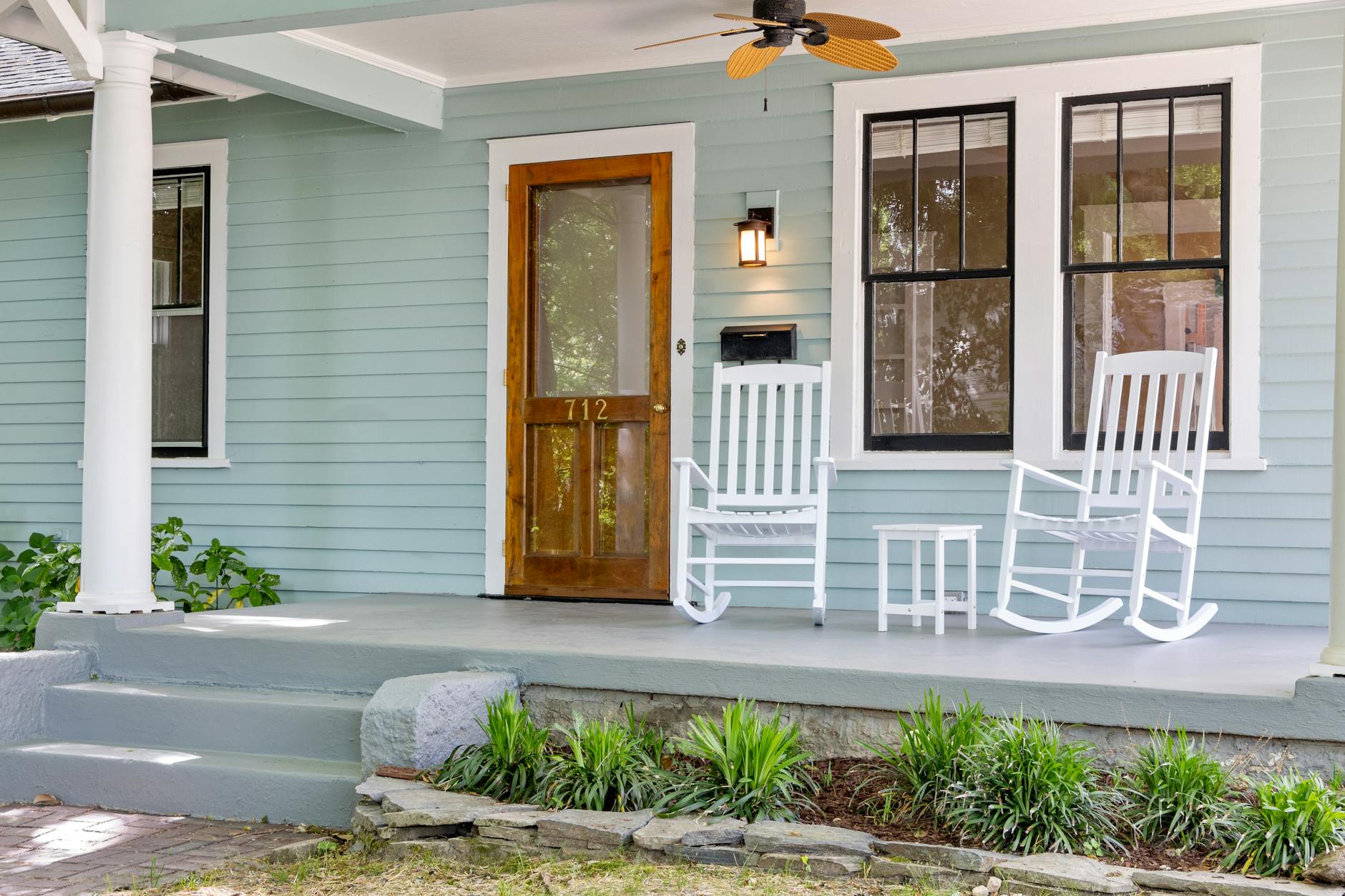
Hyde Park is the neighborhood most East Coast transplants describe as the one that finally felt familiar. The reason is the trees. Live oaks planted over the streets between Avenue B and Duval in the 1920s and 1930s do real work against the Texas sun that a new-build street in Mueller cannot do, and the sidewalks actually connect. The houses are mostly 1920s through 1940s bungalows with screened porches, original wood floors, and sewer lines the same age as the plaster. About a third of the owner-occupancy on any given block has been in the same family since the 1970s or 1980s.

The neighborhood's commercial life runs along Duval Street from 38th to 55th and on 51st east of Red River. Quack's bakery, the Avenue B Grocery (continuously operating since 1909), the Asti Trattoria, Shipe Park with its pool and 1920s fieldhouse. The neighborhood association is dense and old and active, and there is a stronger chance you will meet a neighbor at the Friday-afternoon Shipe pool drop-off than at any equivalent Mueller event.

The catch is the thing East Coast transplants keep running into for the first year: UT football. Six Saturdays in the fall, Duval Street from 38th to 51st is a different neighborhood. Parking goes, the noise goes up, and the blocks within five minutes' walk of Memorial Stadium belong to out-of-town visitors from about 10 a.m. to 11 p.m. Every Hyde Park resident we interviewed had a specific Saturday plan: the coffee-shop-in-East-Austin pattern, the garage-sale pattern, the go-to-Fredericksburg pattern. Six Saturdays a year is the trade you sign.
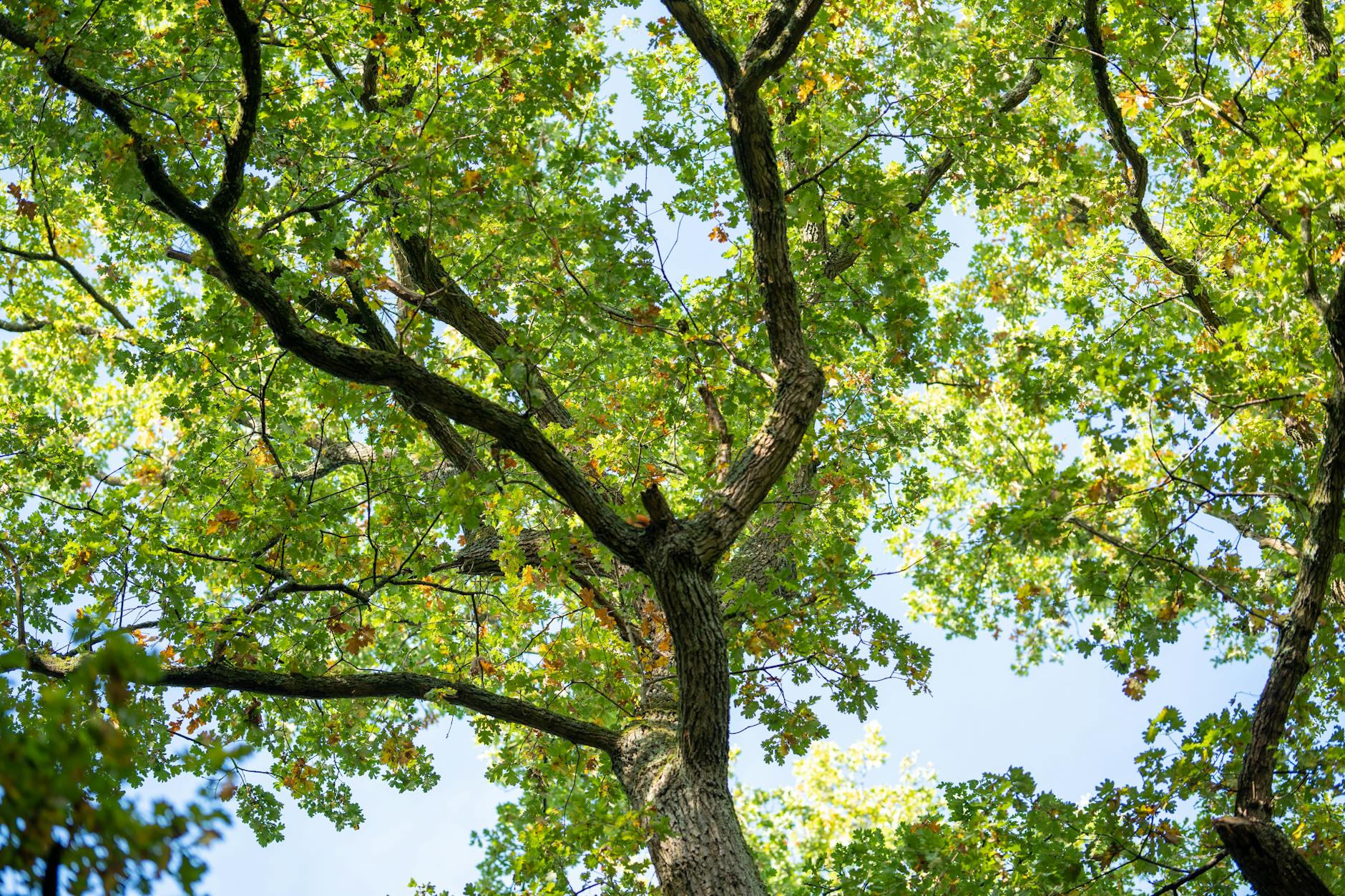
Hyde Park is what people who moved from a Northeast college town are looking for and do not realize they are looking for. Tree canopy. 1920s housing stock with the original kitchens. A coffee shop that is also a record store.

The trade is that the houses are old and the HVAC is loud, and a 1928 bungalow with a 2003 renovation is a different proposition than a Mueller new build at the same price.

Amit, 33, Hyde Park, 14 months in · Postdoc at UT, moved from Cambridge, MA

Block by block

Hyde Park is not one neighborhood.

The price bands, the streets, the trade-offs inside the boundary.

Hyde Park core (38th to 45th)
$825K-$1.4M

Hyde Park core (38th to 45th)

The original grid: 38th Street to 45th Street, Guadalupe to Duval. 1920s and 1930s bungalows on 6,500 to 8,500 square-foot lots. Shipe Park is the center. The block-specific zoning question matters most here.

North Loop (north of 51st)
$695K-$1.05M

North Loop (north of 51st)

53rd through Koenig Lane, Lamar to Duval. Slightly smaller lot sizes, slightly younger housing stock (many 1940s and 1950s), a quieter daily life, and a different zoned elementary. Bookends the Hyde Park feeling for less money.

Hancock / Shoal Creek edge
$950K-$1.6M

Hancock / Shoal Creek edge

East of Lamar, west of Guadalupe, between 38th and 45th. Larger lots, more 1940s and 1950s construction, bigger trees, higher prices. The most expensive tier in the Hyde Park cluster.

Cost reality

What $895K actually buys.

At the 2026 median of $895K, what you buy in Hyde Park is a 1,500 to 1,800 square-foot two- or three-bedroom 1920s through 1940s bungalow on a 6,500 to 8,500 square-foot lot, with original oak floors, plaster interior walls, a fireplace that has not worked since the 1970s, a kitchen that was remodeled once in 2003, single-pane windows, and a sewer line you will patch or replace inside two years. Larger houses (2,100 square feet and up) on preserved lots start at $1.2M. New construction is rare because of the preservation ordinance and the neighborhood association's active pushback on teardowns.

Getting around

The commute the brokerages do not write about.

Hyde Park's commute math is the best in central Austin for a north-corridor job. The Domain is twenty-six minutes at peak. Apple's north campus runs thirty-eight.

Downtown is eighteen. The bike infrastructure on Speedway is a real commute option for a downtown job: twenty-two minutes door-to-door on a clear day. For a two-income household with one partner at a north-corridor tech employer and one downtown, Hyde Park is the single best-located address in this guide.

Frequently asked

Questions on this neighborhood.

Is Hyde Park Austin safe?

Yes. Violent crime is about one-third of the citywide median. Property crime is below the median and concentrated on seasonal patterns (December package theft, UT football Saturday visitor-car break-ins) that the neighborhood has visible mitigations for. The practical safety picture is as good as any central-Austin neighborhood.

What's the deal with block-specific school zoning?

Within Hyde Park, three elementaries (Lee, Reilly, Ridgetop) share the neighborhood.

A house and the one across the street can zone to different schools with different reputations. Lee is the strongest and is the elementary families actively move for. Pull the AISD Find My School tool by address before you sign a lease or a contract. Two of the four interviewed households described the zoning as the thing they nearly got wrong.

How bad is UT football Saturday?

Six Saturdays a year, from roughly 10 a.m. to midnight.

Within five minutes' walk of Memorial Stadium (which covers most of Hyde Park south of 40th), parking is consumed, street noise is elevated, and visitor-car break-ins spike. The standard Hyde Park response is to leave for the day or to empty any visible value from cars and plan inside-the-house activities.

Can I still buy a Hyde Park bungalow under $800K?

In North Loop, with consistency. In the Hyde Park core, rarely and usually only on a teardown-candidate 1920s bungalow that needs substantial work. The median has moved to $895K. The 1,500-and-under square-foot bungalow on a smaller lot in Reilly-zoned blocks sometimes appears under $800K and sells inside a week.

What does a $895K Hyde Park house actually look like?

A 1,500 to 1,800 square-foot two- or three-bedroom 1920s through 1940s bungalow on a 6,500 to 8,500 square-foot lot, with original oak floors, plaster interior walls, a kitchen that was remodeled once in 2003, a sewer line the same age as the foundation, and a one-car garage or carport.

Newer or larger (2,100+ square feet) starts at $1.2M.

How strict is the Neighborhood Conservation District?

Strict on exterior visible changes (roofing material, fence height, front-yard landscaping under the palette, window replacements that alter the original opening).

Reasonable on interior renovations. Plan for a six-to-ten-week review cycle on anything exterior. The rules are specific and written down; the neighborhood association is the first stop when you have a question.

Is North Loop the same neighborhood?

Culturally yes, geographically separate.

North of 51st the streets are slightly less canopied, the houses are slightly younger (many 1940s-1950s), and the zoned elementary is usually Ridgetop or Brentwood. Rent and buy numbers are meaningfully lower (12 to 18 percent per foot). The practical neighborhood feel is similar enough that a North Loop resident often considers themselves Hyde Park.