Mueller
Austin · Master-planned, walkable-to-a-point, priced like central Austin

Mueller, Austin: what the master-planned answer actually costs

A 700-acre airport became a neighborhood with sidewalks, parks, and an H-E-B. Four residents on what the brochure left out.

1
Residents interviewed
Real, named, on the record
6+
Primary sources
Linked, cited, dated
Apr 21, 2026
Last reviewed
By Nathaniel Peters
None active
Corrections
Public log
Written and reviewed by
Nathaniel Peters · Founder & Editor

Crime data from APD sector reports and county sheriff data. School zoning from district lookup tools. Sub-area prices from Zillow and Realtor.com pulls calibrated to April 2026.

Updated Apr 21, 2026 Reviewed
$795K
Median sale
$1,950-$2,600
1BR rent
72
Walk score
Austin ISD
School district

Mueller is the neighborhood you can understand by reading the master plan and then walking three blocks. The street grid is tight. The houses are 2010s Craftsman with rear-loading garages. The parks connect, the sidewalks connect, the farmers' market on Sunday runs from Branch Park through the blocks north of Aldrich Street, and the Thinkery's front door is a ninety-second stroller push from most addresses in phases three and four.

The neighborhood sits on the 700-acre footprint of the old Robert Mueller Municipal Airport, which closed in 1999. The City of Austin selected Catellus as the master developer in 2004. Build-out ran in phases from 2007 to 2022. The oldest houses are now seventeen years into a life designed to last forty, which is the point at which the original HVAC packages start failing in clusters and the first-round buyers have all refinanced at least twice.

What the brochure does not tell you, and what every resident we interviewed mentioned inside thirty seconds, is that Mueller is the second-highest catalytic-converter-theft ZIP code in Travis County. The H-E-B parking lot on Berkman is the specific geography. Every Toyota in the neighborhood has a $300 welded cage under it. On the Sunday farmers' market there is a booth selling them now, run by a welder from Pflugerville who works the other six days at his shop on Burnet.
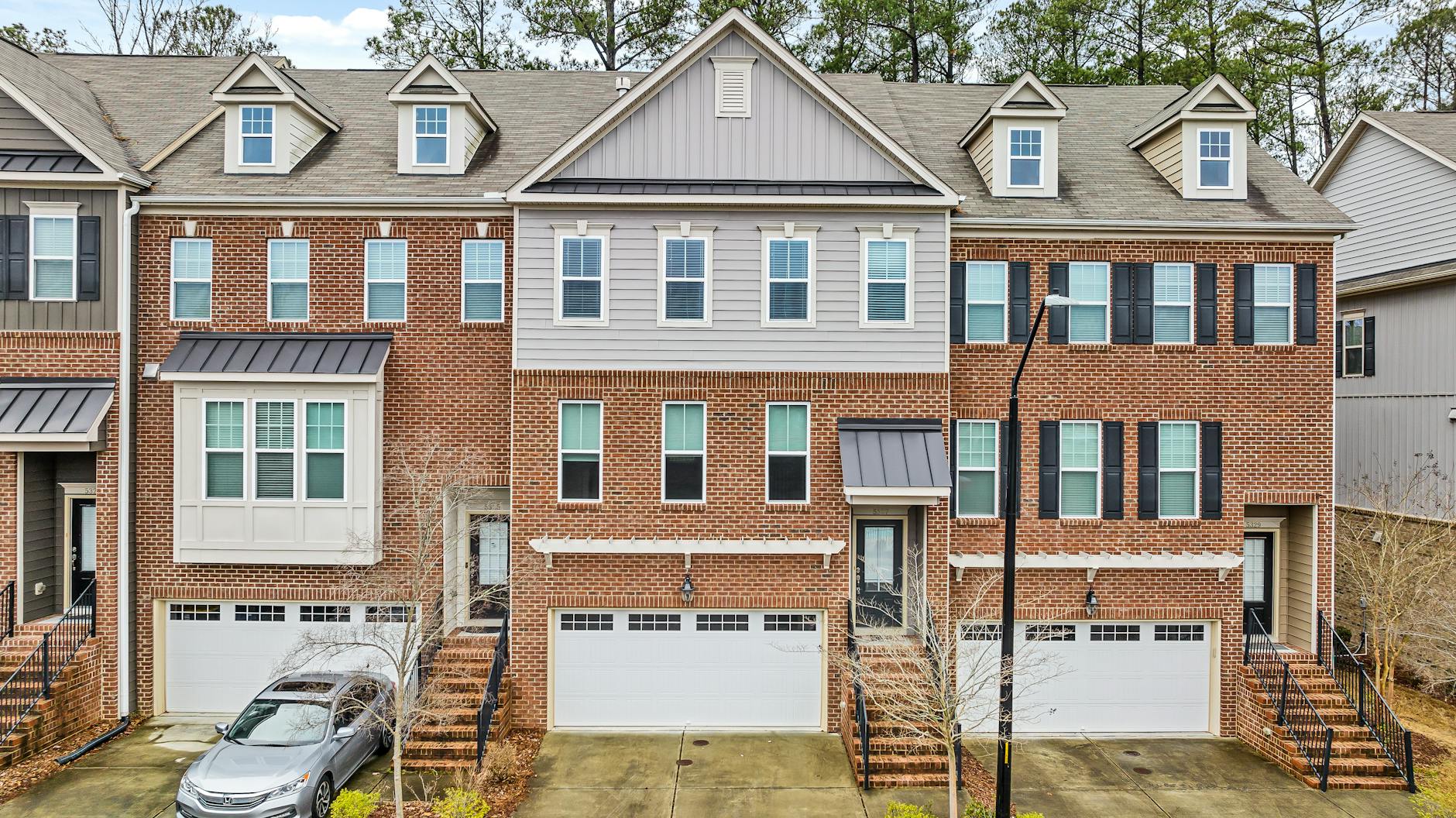
Our address is a 3/2.5 townhouse on Aldrich Street. We paid $742,000 for it in September 2024, which was $35,000 over list, and we wired a $22,000 appraisal-gap check to the title company the morning of closing. The pitch on Mueller is that you can push a stroller to daycare, to the Thinkery, to the fountain at Lake Park, to H-E-B.

All of that is true. The pitch does not mention that Whole Foods is a car trip because walking back with a full cart is a mile in the sun. It also does not mention the welded cage on my Prius.

Everyone in Mueller has one.

Maya, 36, Mueller, 19 months in · Product designer at a health startup, moved from Newton, MA · Read the full Maya interview

Block by block

Mueller is not one neighborhood.

The price bands, the streets, the trade-offs inside the boundary.

Aldrich Street core
$685K-$980K

Aldrich Street core

The four blocks between the Thinkery and Mueller Lake Park. Townhouses and small-lot single-family, 2012 through 2018 construction, on streets designed to be pushed by a stroller. This is the neighborhood you see on Instagram. It is also the block where a welded cage pays for itself fastest.

Row-house phases (north of 51st)
$760K-$1.1M

Row-house phases (north of 51st)

Phases four through six, mostly 2018-2022 construction. Larger homes, 2,400 to 3,200 square feet, on zero-lot-line parcels. Kealing-magnet feeder families cluster here. The parks are newer and the HVAC is still in its honeymoon.

East Mueller (Berkman to Zach Scott)
$615K-$820K

East Mueller (Berkman to Zach Scott)

The eastern edge, closer to the I-35 frontage encampment and the US-290 interchange noise. Prices run fifteen percent below the Aldrich core for otherwise comparable stock. The trade-off is a less walkable daily life and a longer push to the Thinkery or the pool at Lake Park.

Cost reality

What $795K actually buys.

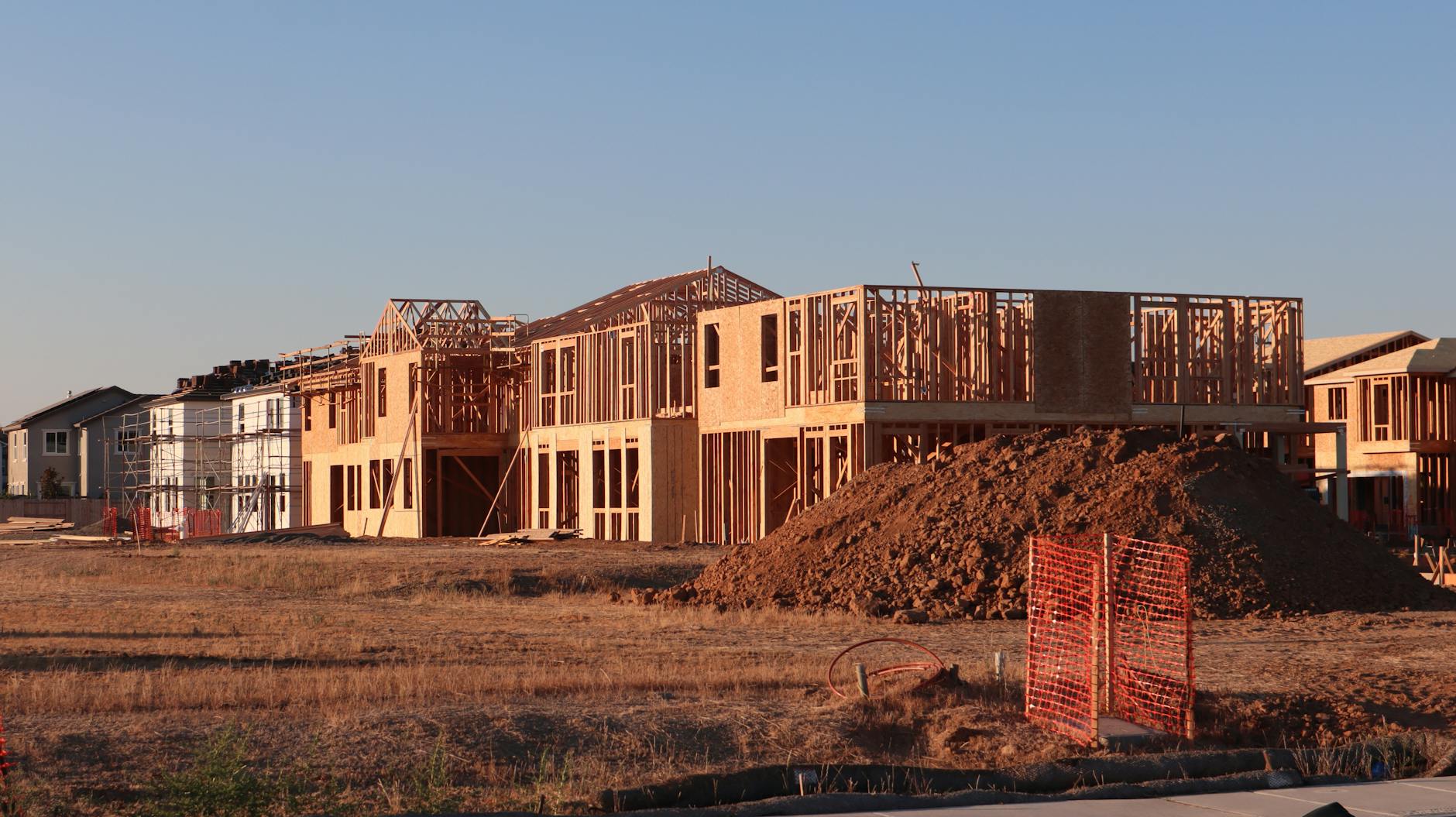
At the 2026 median of $795K, what you buy in Mueller is a 2,100 to 2,600 square-foot three-bedroom townhouse or small-lot single-family, built 2012 through 2020, with rear-loading garage, a narrow front porch, a fenced back courtyard rather than a yard, and a Nest thermostat the seller left behind. The single-family detached at the same price point is the same square footage on a zero-lot-line parcel in the newer phases. For a traditional 0.15-acre lot with setback, you are at $950K and up, and there are maybe thirty such parcels in the neighborhood.

Getting around

The commute the brokerages do not write about.

Mueller is the neighborhood that pencils out best for a downtown commute that wants a bike option. The Manor Road bike lane to Red River is 22 minutes door-to-door on a good day. The Apple north-campus commute is the same forty-five-minute drag as every other central-Austin neighborhood; nothing about Mueller solves a 183-corridor job.

The Tesla Giga-factory commute is better than you would expect because the drive picks up 290 east immediately and skips most of the I-35 mess. For a two-income household with one partner downtown and one in the Domain, this is the neighborhood whose commute math works in both directions.

Frequently asked

Questions on this neighborhood.

Is Mueller Austin safe?

For a resident on a normal week, yes. Violent crime runs well below the Austin median. Property crime is above the citywide median, driven almost entirely by the catalytic-converter pattern in the H-E-B parking lot on Berkman and by seasonal December package theft. If you install a converter cage on a Toyota and use an Amazon Hub locker in December, the practical safety picture is as good as any central-Austin neighborhood.

What school does Mueller zone to?

Elementary is Maplewood (10/10 GreatSchools, walkable).

Middle is Kealing with a magnet option via a fifth-grade application. High school is McCallum zoned, with LASA available on the same campus via an eighth-grade magnet exam. The feeder pattern is the specific reason a majority of Mueller families moved here, and the school premium is visible in the house prices.

How much is the Mueller HOA and what does it cover?

Dues run $70 to $110 a month depending on the phase.

The HOA covers park and streetscape maintenance (including the Mueller Lake Park pool and the Thinkery-adjacent greenway), front-yard landscaping under a neighborhood plant palette, and neighborhood events through the Mueller Neighborhood Association. The PID adds a small line on the property-tax bill for street and park capital maintenance.

Is the Aldrich core quieter than east Mueller?

The core is quieter for traffic noise, because east Mueller carries US-290 and I-35 frontage hum.

The core is louder for Aldrich Street pickup and drop-off traffic at the two daycares and for HEB parking-lot weekend churn. Most Mueller residents we interviewed said the two trade equal; a handful said the east-Mueller discount was worth the noise delta.

Can I use the Mueller pool if I live on the edge of the neighborhood?

Yes, all Mueller residents in HOA-participating phases have pool access at Mueller Lake Park.

There is no distinct sub-pool for Aldrich-core residents. The pool fills in July and August on weekends; families adjust to a pre-eleven or post-four usage pattern.

What does a $795K Mueller house actually look like?

A 2,100 to 2,600 square-foot three-bedroom, 2.5-bath townhouse or small-lot single-family, built between 2012 and 2020, with rear-loading garage, a small fenced courtyard, nine-foot ceilings on the main floor, HVAC in the attic, and usually a rooftop solar package on the original spec.

For a traditional detached house on a 0.15-acre lot with setback, the entry point is closer to $950K.

Is Mueller good for young kids?

As good as anywhere inside the central-Austin city limits.

Walkable daycare (Little Land Park and Stepping Stone book fourteen months out for infants), walkable to the Thinkery, walkable to three parks, walkable to the farmers' market, pool access. The 2015-and-earlier builds are the ones where the systems are now aging; the 2018-and-later builds have another decade before the HVAC cycle catches up.