East Nashville
Nashville · The creative answer, if you pick the right pocket and accept the car-break-in risk.

East Nashville, Nashville: what it costs and who it fits

The creative answer, if you pick the right pocket and accept the car-break-in risk.

1
Resident evidence
Threads, reporting, source notes
6+
Primary sources
Linked, cited, dated
May 5, 2026
Last reviewed
Editorial review
No open items
Corrections
Public log
Reviewed by
Landed editorial · Editorial review

Neighborhood page checked against property tax, school, safety, market, commute, and local-source material for Nashville.

Updated May 5, 2026 Reviewed
$500K-$725K
Median sale
$1,650-$2,200
1BR rent
63
Walk score
Metro Nashville Public Schools
School district

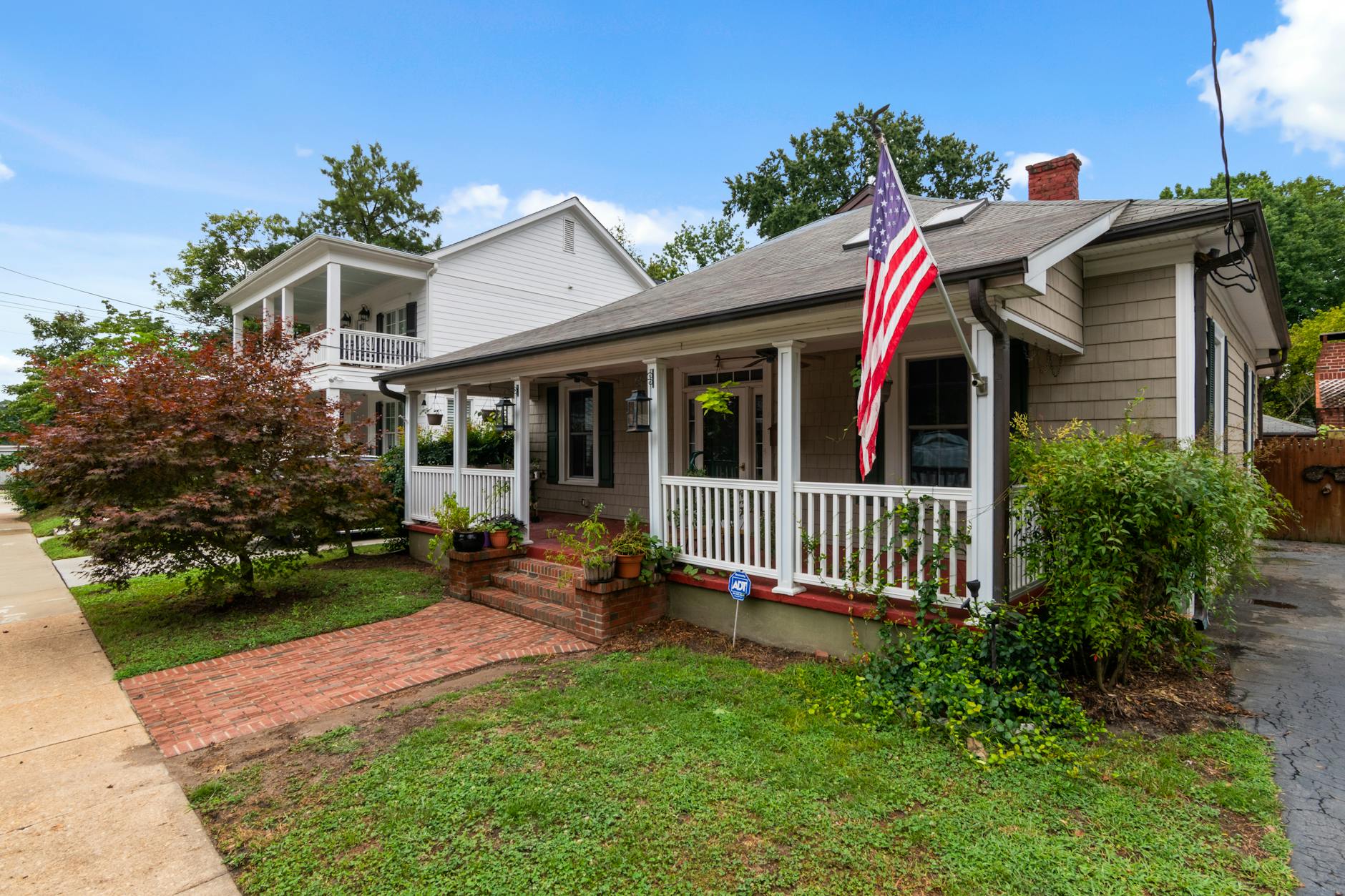
East Nashville is the neighborhood people mean when they say they want the creative version of Nashville: old houses, porch culture, coffee, restaurants, small venues, vintage stores, tattoo shops, and a social life that does not require downtown.

It is also the neighborhood where block selection matters most. Five Points, Lockeland Springs, Eastwood Neighbors, Cleveland Park, and Inglewood do not feel identical. Property crime, bar spillover, traffic, and tornado-scar memory change the lived experience block by block.

Move here for texture, not certainty. If you need a clean school answer, a quiet street, and a garage lifestyle, East Nashville can still work, but only after address-level diligence.

East Nashville gave us the version of the move we wanted: coffee we can walk to, a show on a Tuesday, neighbors who actually sit outside. It also made the block choice real fast. Two blocks can be the difference between porch quiet and bar-close cars.

I love it here, but I do not leave anything visible in the car, ever.

Composite East Nashville renter, 29, nine months in · Hospitality and remote-work household, moved from Florida

Block by block

East Nashville is not one neighborhood.

The price bands, the streets, the trade-offs inside the boundary.

Five Points and Lockeland Springs
$600K-$900K

Five Points and Lockeland Springs

The postcard version: walkable restaurants, older houses, higher prices, and the most intense weekend pressure.

Inglewood
$450K-$700K

Inglewood

More space and quieter streets north and east, with less continuous walkability and more block variation.

Cleveland Park and McFerrin
$475K-$750K

Cleveland Park and McFerrin

Fast-changing infill, good downtown access, and more visible transition from block to block.

The trade

The honest exchange.

What you get

Independent restaurants, bars, coffee, and neighborhood identity More rental character than the west-side apartment clusters Fast access to downtown and the airport from the right pocket The strongest version of East Nashville is not generic Nashville branding. It is a specific operating system: commute, social life, school path, and housing type all bundled together.

What you give up

Property crime and car break-ins are the recurring lived issue School path requires address-level research or optional-school planning Tornado and storm memory is not abstract here The neighborhood works best when those costs are named before the lease or offer, not discovered after move-in.

Street-level read

What changes inside the boundary.

Five Points and Lockeland Springs

The postcard version: walkable restaurants, older houses, higher prices, and the most intense weekend pressure. In practice, this is the pocket where the headline neighborhood splits into real decisions. The price band, parking pattern, school lookup, and commute route should be checked separately from the broader East Nashville reputation.

This is usually the version newcomers tour first, so it carries the strongest premium.

Inglewood

More space and quieter streets north and east, with less continuous walkability and more block variation. In practice, this is the pocket where the headline neighborhood splits into real decisions. The price band, parking pattern, school lookup, and commute route should be checked separately from the broader East Nashville reputation.

This is often the compromise pocket, with a slightly different mix of space, noise, and convenience.

Cleveland Park and McFerrin

Fast-changing infill, good downtown access, and more visible transition from block to block. In practice, this is the pocket where the headline neighborhood splits into real decisions. The price band, parking pattern, school lookup, and commute route should be checked separately from the broader East Nashville reputation.

This is the diligence pocket, where value is more possible but address-level checks matter most.

Cost reality

What $500K-$725K actually buys.

At the median East Nashville price, you are buying either a renovated bungalow with compromises, a newer infill house with limited yard, or a smaller original home that still needs systems work. The cheap creative version mostly exists as shared rentals or older housing stock, not as an easy single-family purchase.

Property tax

East Nashville is mostly a low-property-tax story compared with Austin, Illinois, and many Northeast markets. Davidson County residential property is assessed at 25 percent of appraised value, and the effective Metro tax load is roughly 0.70 percent in the common Urban Services District example. The caution is not the rate.

It is buying an older house, then discovering insurance, repairs, and reappraisal timing at the same time.

Hidden costs

  • Sales tax is part of daily life. Restaurant meals, household setup, prepared food, furniture, and most taxable goods use the 9.75 percent general rate.
  • Most households still need a car plan. Price insurance, parking, fuel, maintenance, and the possibility of a second vehicle before comparing rent alone.
  • Older Nashville houses need systems diligence. Roof age, HVAC, drainage, trees, crawlspace condition, and insulation can move the first-year budget quickly.
  • East Nashville buyers need an insurance quote before they treat the tax savings as real. Wind, roof age, tree canopy, and older systems move the annual premium more than most relocation calculators allow.
  • The move-in year is consumption-heavy: furniture, hardware, car setup, school supplies, registration, restaurant overflow, and contractor deposits all hit inside the same 9.75 percent general sales-tax environment.
  • Storm and tree diligence belongs in the housing budget. Nashville does not price like coastal hurricane markets, but wind, drainage, basement moisture, roof age, and large mature trees can turn a pretty block into a repair schedule.
Schools

The zoned path and the workarounds.

The school path is address-specific. Some families use MNPS zoned schools, some apply to optional schools, and some leave for private or suburban options as kids age. Do not use East Nashville as a school answer without checking the exact address and application calendar.

The Austin-quality check here is not whether the neighborhood name sounds family-friendly. It is the exact elementary, middle, and high school path, the optional-school application calendar, the realistic backup if the lottery does not land, and the commute between school pickup and work. In Nashville, the school decision often happens before the house decision.

Families who reverse that order are the ones who discover the cost later.

Safety

What residents do, what they do not.

The lived safety issue is property crime, especially cars. Violent crime is not the daily concern for most residents in the stronger pockets, but car break-ins, porch theft, lighting, and bar-adjacent spillover are real. Use MNPD by ZIP and walk at night.

The safety check should be run at three levels: MNPD district or ZIP, the exact block after dark, and the household's daily exposure to parking lots, pikes, nightlife, storms, and school pickup. Nashville safety is less about one citywide label than the particular risks the address creates.

Getting around

The commute the brokerages do not write about.

To Peak car Off-peak Transit
Downtown 18 min 8 min 24 min
Germantown 18 min 10 min 34 min
Vanderbilt / medical center 34 min 18 min 48 min
Airport 22 min 14 min 42 min
Green Hills 42 min 24 min -
Franklin / Brentwood 58 min 34 min -

East Nashville is excellent for downtown, Germantown, airport, and some east-side commutes. It is weaker for Green Hills, Brentwood, Franklin, and west-side medical-center commutes unless your schedule avoids peak.

What you give up

The honest trade.

School certainty without work. A quiet suburban street in every pocket. The ability to leave things in a parked car.

A simple west-side commute.

Who it fits

Move here if this is your trade.

Fits

You want Nashville neighborhood texture. You can manage block-level diligence. You are child-free, pre-kid, or comfortable with school planning.

You value restaurants, music, and porch life over square footage.

Does not fit

East Nashville does not fit a household that wants the Nashville brand without the address-level work. If the commute, school path, parking, storm plan, and budget only work on a perfect week, the neighborhood is already telling you no.

Moving from

The routes that fit this neighborhood.

  • California, The tax win is real, but the best Nashville pockets are not cheap.
  • Florida, The weather gets more seasonal and the income-tax story stays familiar.
  • Georgia, Atlanta movers usually compare healthcare jobs, traffic, and neighborhood cost.
Frequently asked

Questions on this neighborhood.

Is East Nashville safe?

It depends on the block. Many residents feel comfortable, but property crime and car break-ins are recurring issues. Check MNPD data by ZIP, walk the exact block at night, and ask neighbors about recent incidents.

Is East Nashville good for families?

It can be, but the school path must be deliberate.

Some families stay and use MNPS or optional schools; others move west, suburban, or private as kids get older.

Is East Nashville walkable?

In pockets, yes. Five Points and Lockeland Springs are the strongest. Inglewood and Cleveland Park are more car-dependent.

What should I verify before renting in East Nashville?

Verify parking, commute at the real hour, MNPD data by ZIP or council district, school zone if kids are involved, storm shelter location, and whether the block feels different after dark.

Do not use the neighborhood name as the check.

What should I verify before buying in East Nashville?

Pull the parcel record, estimate tax using Metro's residential assessment formula, get insurance quotes, check roof and drainage, walk the street after rain, and price the school path.

Nashville's low property tax helps, but older houses and family logistics can take the savings back.

Who should skip East Nashville?

Skip it if the draw is only that it sounds like Nashville.

This area needs a specific reason: commute, schools, walkability, healthcare access, creative scene, suburban certainty, or a defined one-year chapter.

What is the most common mistake in East Nashville?

The most common mistake is touring on a good weekend and signing for the vibe.

The right test is a normal Tuesday morning, a rainy school pickup, a late grocery run, and the actual route to work.