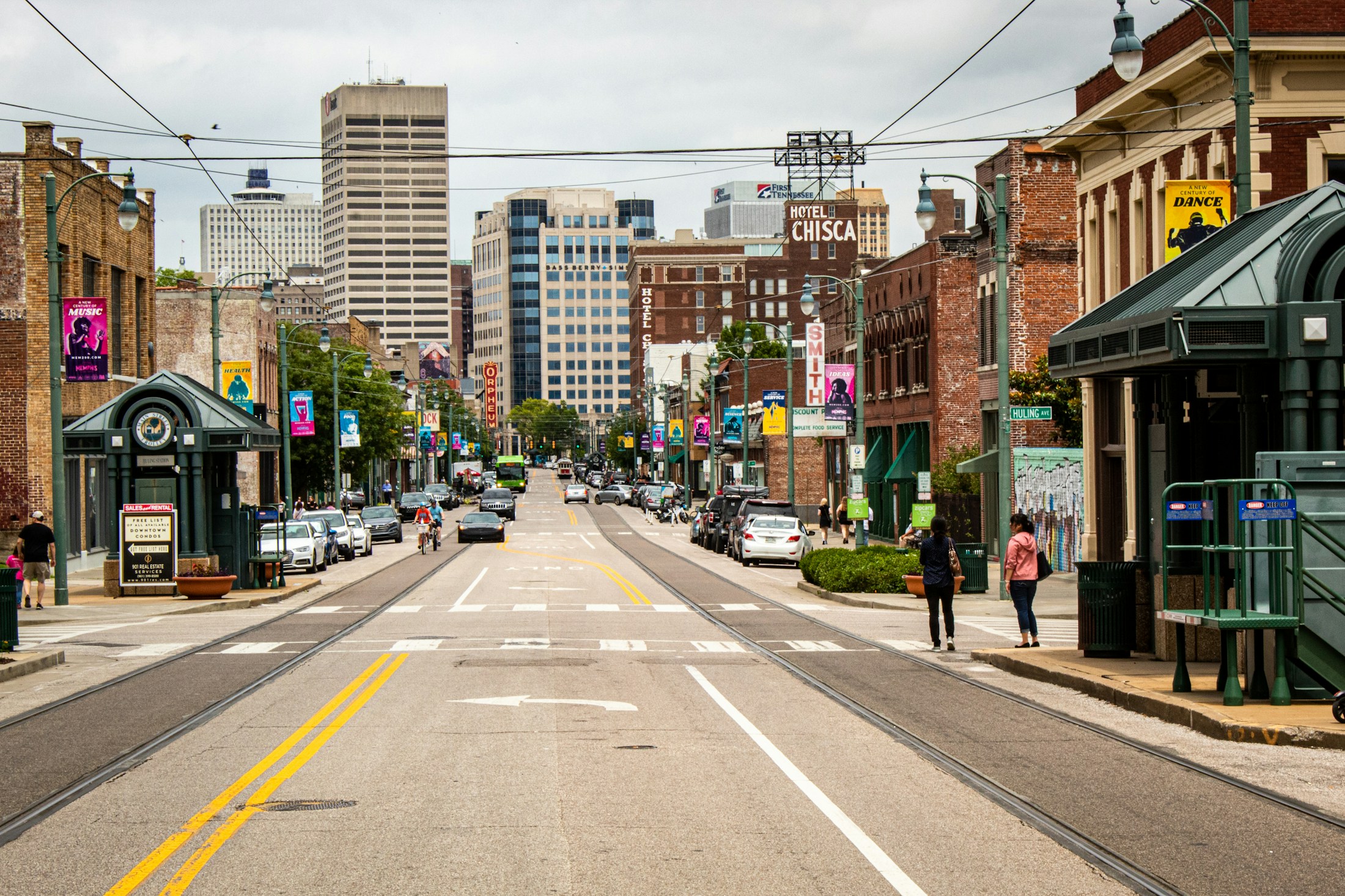
Nashville · The neighborhoods guide

Best Nashville neighborhoods in 2026: where to live

Compare Nashville neighborhoods by rent, home price, schools, safety, commute, walkability, and who each area actually fits.

7
Resident evidence
Threads, reporting, source notes
18+
Primary sources
Linked, cited, dated
May 6, 2026
Last reviewed
Editorial review
No open items
Corrections
Public log
Reviewed by
Landed editorial · Editorial review

Neighborhood claims checked against Metro property records, MNPD dashboards, Tennessee school data, market rent and home-value pulls, local reporting, and disclosed composite resident evidence.

Updated May 6, 2026 Reviewed
Editor's note

Most Nashville neighborhood guides flatten the city into vibes: East Nashville is creative, Germantown is walkable, 12 South is cute, Green Hills is family, Franklin is schools. Those labels are not wrong. They are just too weak for a household making a lease or purchase decision.

Nashville neighborhoods are better understood as problem-solvers. East Nashville solves texture and social life. Germantown solves the shortest credible urban chapter. 12 South solves polished central walkability. The Nations and Sylvan Park solve west-side access. Downtown and the Gulch solve a defined car-light chapter. Green Hills and Belle Meade solve private-school and medical-center logistics. Franklin and Brentwood solve public-school certainty.

The right neighborhood is therefore the one whose trade you can defend. A household that needs Williamson County schools should not pretend East Nashville is the long-term plan. A renter who wants music and restaurants should not buy a Franklin subdivision and expect spontaneous city life. A Vanderbilt worker should not choose a cheaper east-side address without driving the peak commute.

This page is intentionally stricter than brokerage content. It weighs price, school path, commute, car dependence, safety, storm routine, and whether the neighborhood still works on a normal Tuesday. The pretty weekend version of Nashville is not enough.

For families, the first filter is school path. For child-free renters, the first filter is commute plus social life. For remote-income buyers, the first filter is whether the neighborhood premium still makes sense after sales tax, repairs, insurance, and cars. For healthcare workers, the first filter is whether the commute points toward Vanderbilt, HCA, or the relevant hospital cluster.

The seven profiles below should be read as choices, not rankings. Every one can be the right answer. Every one can be the wrong answer if the household is using it to avoid naming the real constraint.

The most useful Nashville neighborhood tour is therefore a stress test. Visit once on the pleasant weekend, then again at the real commute hour, after dark, during an event window if the address is core-adjacent, and after rain if the property has trees, slopes, crawlspace, or drainage questions. A neighborhood that still works under those conditions is a much stronger answer than one that only photographs well.

Nashville also demands a region-versus-city decision earlier than many movers expect. Franklin, Brentwood, Mt. Juliet, Hendersonville, and Murfreesboro can be excellent choices, but they are not simply cheaper or easier versions of Nashville proper. They move the household into different school systems, sports circuits, church or volunteer networks, commute patterns, and weekend habits. That can be the right life. It just needs to be chosen honestly.

The final filter is repeatability. A good Nashville address should make ordinary weeks easier, not just memorable weekends better. If the household can repeat the school run, grocery loop, commute, social plan, storm routine, and parking setup without resentment, the neighborhood is probably doing real work. If each week depends on luck, weather, open parking, or no event traffic, the address is carrying hidden debt.

Neighborhood 1BR rent Home price Walk Who it fits
East Nashville $1,650-$2,200 $500K-$725K 63 Creative workers, remote couples
Germantown and Salemtown $1,900-$2,650 $650K-$900K 78 Car-light professionals, downtown workers
12 South and Belmont-Hillsboro $1,850-$2,500 $850K-$1.25M 74 High-income renters, university-adjacent families
The Nations and Sylvan Park $1,700-$2,350 $575K-$850K 61 Hospital workers, Vanderbilt-adjacent commuters
Downtown and the Gulch $2,000-$2,800 $500K-$900K condo 85 Single professionals, short-term corporate moves
Green Hills and Belle Meade $1,850-$2,600 $850K-$1.6M 48 High-income families, private-school households
Franklin and Brentwood $1,800-$2,500 $800K-$1.4M 39 Families prioritizing Williamson County Schools, higher-income buyers
The seven profiles

What each neighborhood is, and who it fits.

One block per neighborhood. Stats, the trade, the resident.

01

East Nashville

The creative answer, if you pick the right pocket and accept the car-break-in risk.
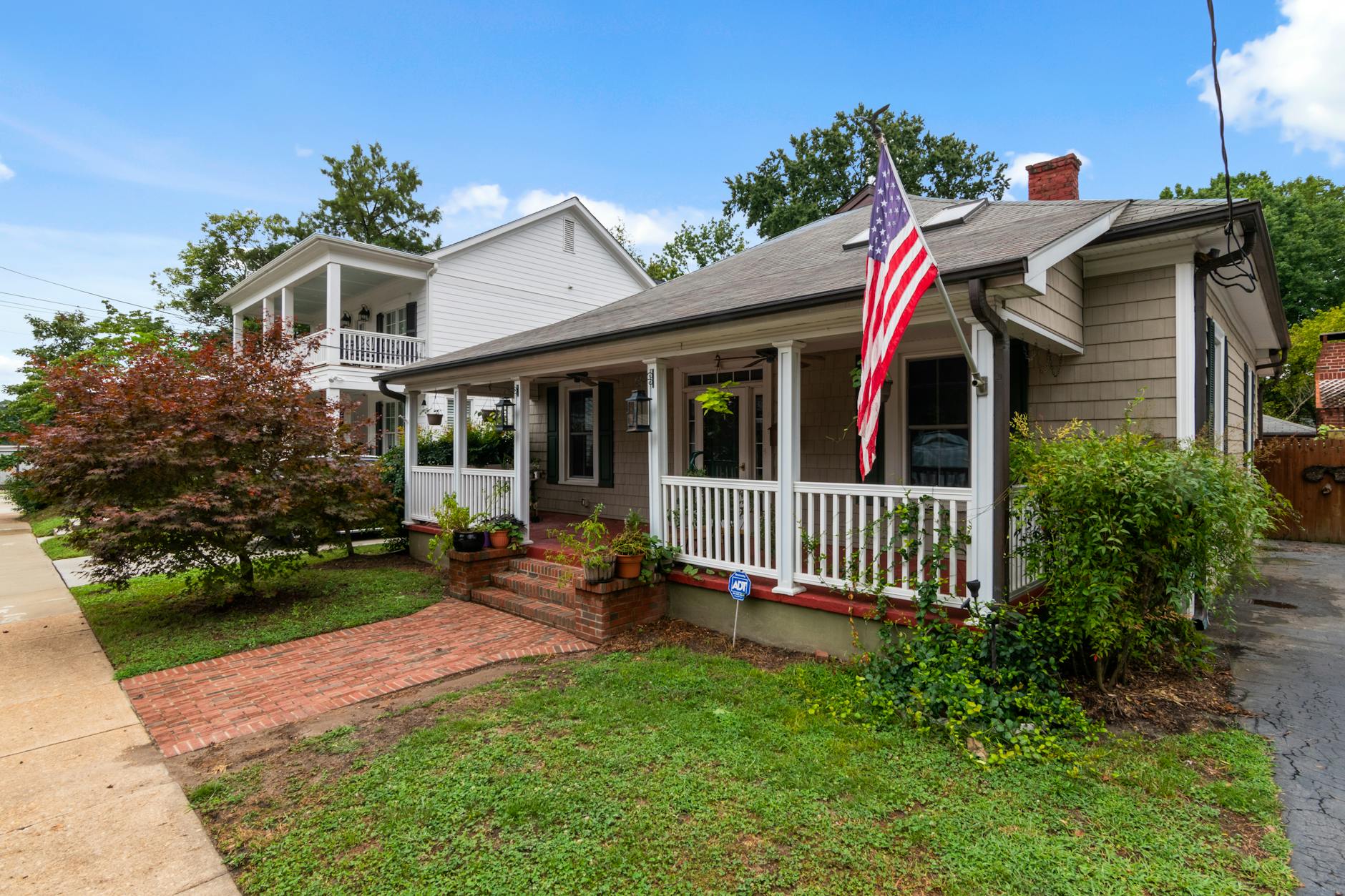
East Nashville

Transit. 8 to 18 minutes to downtown by car off-peak; WeGo service exists but most households still drive

Who it fits. Creative workers, remote couples, restaurant people, renters who want a real neighborhood before school certainty

The trade in plain terms

What works
  • Independent restaurants, bars, coffee, and neighborhood identity
  • More rental character than the west-side apartment clusters
  • Fast access to downtown and the airport from the right pocket
What does not
  • Property crime and car break-ins are the recurring lived issue
  • School path requires address-level research or optional-school planning
  • Tornado and storm memory is not abstract here

“East Nashville gave us the version of the move we wanted: coffee we can walk to, a show on a Tuesday, neighbors who actually sit outside.”

It also made the block choice real fast. Two blocks can be the difference between porch quiet and bar-close cars.

East-side renter · Hospitality and remote-work household, moved from Florida
02

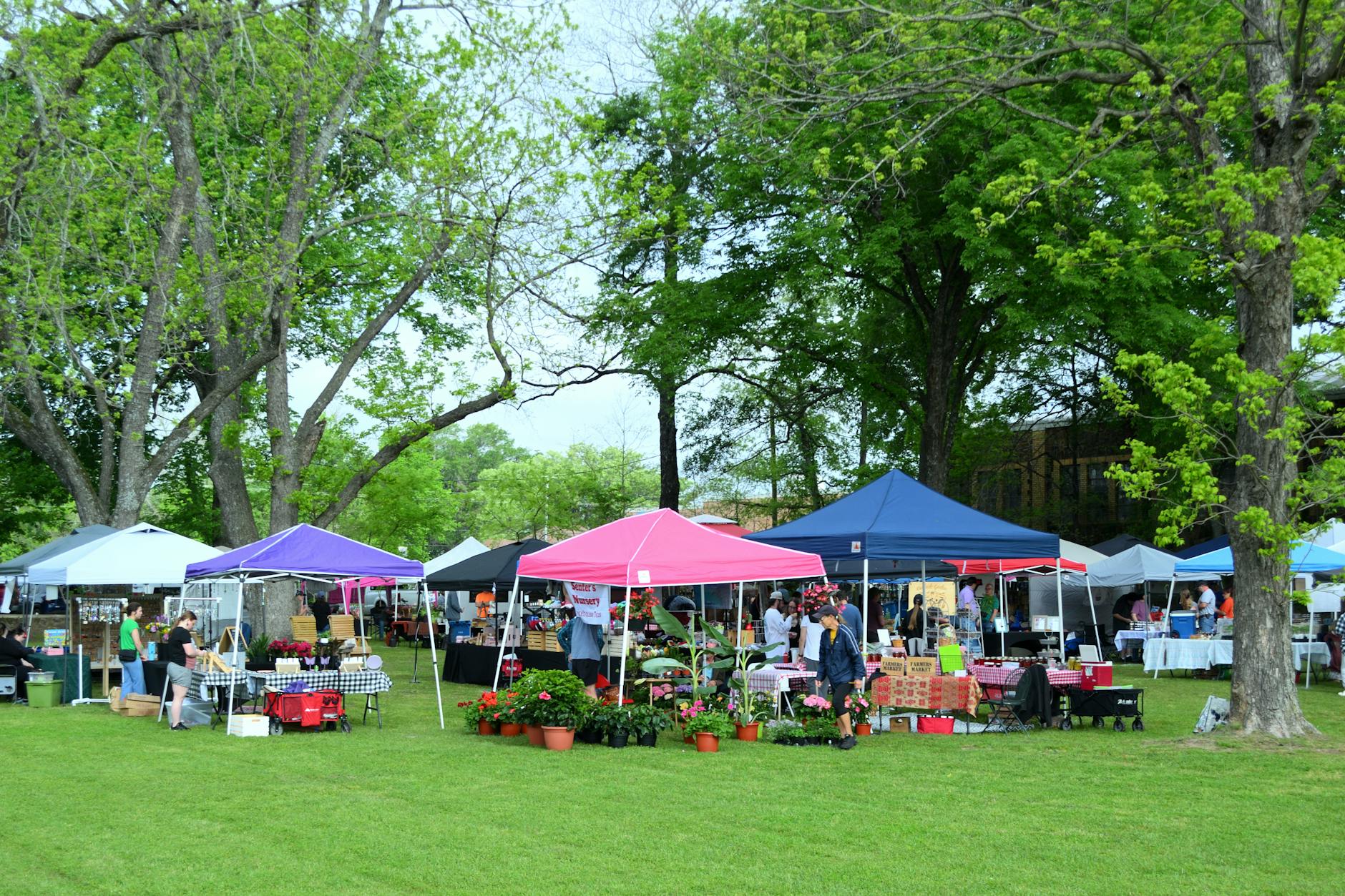
Germantown and Salemtown

The most functional urban Nashville, priced for people who mean it.

Germantown and Salemtown

Transit. Walkable to the state capitol edge and downtown jobs; parking still matters for most households

Who it fits. Car-light professionals, downtown workers, restaurant people, couples delaying the school decision

The trade in plain terms

What works
  • Real sidewalks, restaurants, coffee, parks, and the Farmers Market
  • Shortest practical commute to downtown without tower living
  • Townhome and condo stock for buyers who do not want a yard
What does not
  • High price per square foot and small outdoor space
  • Downtown event spillover and stadium traffic reach the neighborhood
  • Not a long-term school answer for most families

“Germantown is the part of Nashville that behaves most like an urban neighborhood.”

I can walk to coffee, dinner, the Farmers Market, and the state office campus. The price is that every event downtown becomes part of the background.

Germantown renter · Downtown office worker, moved from Atlanta

03

12 South and Belmont-Hillsboro

The polished postcard, with a house-price premium and weekend foot traffic.

12 South and Belmont-Hillsboro

Transit. 10 to 20 minutes to Vanderbilt, Belmont, downtown, and Green Hills by car outside peak

Who it fits. High-income renters, university-adjacent families, buyers who will pay for sidewalks and old-tree streets

The trade in plain terms

What works
  • Walkable retail, restaurants, universities, and old-house character
  • Better daily-life texture than most Sun Belt premium neighborhoods
  • Central enough to avoid the outer-pike commute
What does not
  • Tourist and brunch traffic is now part of the bargain
  • Entry-level houses have mostly left the chat
  • School zoning still needs address-level verification

“The street is beautiful on a Tuesday morning.”

That is why we paid for it. The surprise is that 12 South is now a destination, not just a neighborhood.

12 South buyer · Dual-income household with one elementary-school child

04

The Nations and Sylvan Park

The practical west-side compromise: breweries, greenway, teardowns, and a real commute advantage.

The Nations and Sylvan Park

Transit. Easy access to Charlotte Pike, I-40, Vanderbilt, and hospitals; bus service does not replace a car

Who it fits. Hospital workers, Vanderbilt-adjacent commuters, couples who want a yard without going fully suburban

The trade in plain terms

What works
  • Good west-side access without Green Hills prices
  • More yard and new-build inventory than 12 South
  • Parks, greenway, breweries, and dog-friendly daily life
What does not
  • Teardown construction changes streets quickly
  • Walkability is pocketed, not continuous
  • Flood and drainage diligence matters near low spots

“The Nations is the math that worked.”

We got a small yard, a new-enough house, a commute to Vanderbilt that does not ruin dinner, and a brewery walk. The trade is that there is construction somewhere on the block most weeks, and the neighborhood still feels like it is deciding what it wants to be.

Nations homeowner · Vanderbilt Medical Center commuter, moved from North Carolina

05

Downtown and the Gulch

The one-year car-light version of Nashville, not the five-year family version.

Downtown and the Gulch

Transit. Walkable to Broadway, offices, arenas, and the convention core; airport and grocery still require planning

Who it fits. Single professionals, short-term corporate moves, music and hospitality workers who need the core

The trade in plain terms

What works
  • Car-light by Nashville standards
  • Best access to live music, offices, hotels, and nightlife jobs
  • Newer apartment stock with amenities
What does not
  • Tourism, noise, and short-stay churn are structural
  • High parking, HOA, and building fees
  • No serious long-term school path inside the core

“For one year, the Gulch was perfect.”

I could walk to work, walk to music, and ignore most of the car problem. By month ten, the same things that made it easy made it feel temporary.

Gulch renter · Corporate relocation, short-term lease

06

Green Hills and Belle Meade

Private-school Nashville, older wealth, big trees, and some of the least relaxing traffic in town.

Green Hills and Belle Meade

Transit. Easy to Vanderbilt and Belle Meade on paper; Hillsboro Pike traffic changes the lived commute

Who it fits. High-income families, private-school households, healthcare executives, buyers prioritizing west-side stability

The trade in plain terms

What works
  • Access to private schools, medical centers, shopping, and established neighborhoods
  • Large lots and older housing stock compared with urban infill
  • Stable buyer demand and strong resale floor
What does not
  • Car dependence is total despite the price point
  • Green Hills traffic is a known quality-of-life tax
  • Renovation budgets on older houses are not optional

“We bought west because the school and kid logistics were west.”

The house is calmer than anything closer in, and the medical-center access is real. But Green Hills traffic is a tax.

Green Hills parent · Private-school family, moved from Illinois

07

Franklin and Brentwood

The Williamson County school bet, and the moment you stop pretending you live in Nashville.

Franklin and Brentwood

Transit. 25 to 55 minutes to Nashville depending on destination and peak traffic; not a transit commute

Who it fits. Families prioritizing Williamson County Schools, higher-income buyers, remote workers who can avoid daily downtown commutes

The trade in plain terms

What works
  • School certainty is the core value proposition
  • More polished suburban infrastructure and family programming
  • Lower perceived city-friction for households with kids
What does not
  • Longer commute and a very different social geography than Nashville proper
  • Housing premium is significant
  • Daily life is suburban by design

“We moved to Nashville and then chose Williamson County.”

That sentence sounds contradictory until you have kids. The schools made the decision easy.

Williamson parent · Remote-work family, moved from California

Cross-cutting cuts

If your priority is one thing, here is the pick.

Six common constraints. The first pick, the runner-up, and why.

01

Best if you want to drive the least

The pick. Germantown or the Gulch, depending on whether you want neighborhood or tower life.

Plan B. Downtown, if the job or music work is also downtown.

These are the only places where daily errands, restaurants, work, and nights out can cluster tightly enough to reduce car use. They do not erase airport, grocery, or family logistics.

02

Best if you want the Nashville people imagine

The pick. East Nashville, especially Five Points, Lockeland Springs, and Inglewood pockets.

Plan B. The Nations if you want newer housing and a quieter west-side version.

East Nashville still has the independent venue, coffee, porch, and restaurant density. The price is property crime diligence and school planning.

03

Best if schools are the top priority

The pick. Franklin or Brentwood for Williamson County Schools.

Plan B. Green Hills and Belle Meade with private-school or address-specific MNPS planning.

Williamson County is the clearest public-school path. It is also a suburban move, not a Nashville-proper move.

04

Best for Vanderbilt and hospital workers

The pick. Sylvan Park, the Nations, Hillsboro Village, or Green Hills depending on budget.

Plan B. Germantown if downtown access matters as much as the hospital commute.

West-side access saves real weekly time for Vanderbilt, Saint Thomas, and medical-center workers. Crossing town daily adds friction fast.

05

Best if you want sidewalks, old houses, and restaurants

The pick. 12 South and Belmont-Hillsboro.

Plan B. Germantown if you prefer townhomes and downtown proximity over old-house streets.

12 South is expensive because it gives a coherent daily-life package. The tourist and brunch traffic are part of that package.

06

Best if the premium pockets are too expensive

The pick. Donelson, Madison pockets, or the quieter east-side edges, after block-level checks.

Plan B. The Nations if a smaller new build works.

The value map exists, but it requires more due diligence on commute, school path, crime, and flood or storm exposure.

Where we would not buy

The blocks the commercial guides skip.

Six places we would not put your money. Each with the reason.

01

A downtown tower as a five-year family plan

It can be perfect for a one-year professional chapter. It is weak on schools, grocery ease, outdoor space, and weekend predictability.

02

Any East Nashville block you have only seen on a Saturday afternoon

Walk it at 10 p.m., check the MNPD map, and look at parking, lighting, and nearby bar spillover before you sign.

03

A house near a low creek or drainage channel without flood diligence

Nashville gets more than 50 inches of annual precipitation, and flash-flood pockets matter at the parcel level.

04

A Williamson County purchase while pretending downtown is daily life

Franklin and Brentwood can be excellent choices, but they are regional-suburban choices. The commute changes the relationship to Nashville.

05

A school-age family lease signed before checking MNPS zone and optional-school dates

The school path can be good, but it is not automatic. Address and application timing decide more than the neighborhood name.

06

A Broadway-adjacent apartment because a vacation weekend was fun

Tourism energy feels different when it is outside your building every weekend and every friend expects you to host it.

Frequently asked

Common questions about the neighborhoods.

The questions that come up most. Bolded first sentence is the short answer.

What is the best Nashville neighborhood for newcomers?

For most child-free newcomers, East Nashville, Germantown, and the Nations are the best first reads.

East Nashville gives the creative neighborhood life, Germantown gives walkability, and the Nations gives a practical west-side compromise. Families should start with the school plan before starting with neighborhood vibe.

Where should families live in Nashville?

Families usually split four ways: Williamson County for public-school certainty, Green Hills or Belle Meade for west-side stability and private-school access, 12 South or Belmont-Hillsboro for walkable premium Nashville with address-level school planning, and selected East Nashville pockets for families willing to manage the school path deliberately.

Where can you live in Nashville without a car?

Downtown, the Gulch, Germantown, and small pockets around Vanderbilt or Belmont can support a reduced-car life for a limited chapter.

For most households, Nashville still requires at least one car. Transit service is improving after Choose How You Move, but a 2026 mover should still choose around the car map.

Is East Nashville safe?

East Nashville is block-specific. Many residents love it and feel comfortable in daily life, but property crime and car break-ins recur in resident evidence. Check the MNPD dashboard by ZIP or council district, walk the exact block at night, and never rent based only on a restaurant corridor.

Is Franklin or Brentwood better than Nashville?

Better for school certainty and suburban family logistics, worse for Nashville-proper daily life.

Franklin and Brentwood are excellent if you want Williamson County Schools and can tolerate the commute. They are not substitutes for East Nashville, Germantown, or 12 South.

What is the most overrated Nashville neighborhood?

Downtown and the Gulch are the easiest to overrate if you are planning a long stay.

They are useful for a short professional or nightlife chapter, but the high-rise, parking-fee, tourism, and no-school trade-offs show up quickly.

What is the biggest Nashville neighborhood mistake?

Choosing the neighborhood brand instead of the household problem.

East Nashville, Germantown, 12 South, Green Hills, and Franklin each solve different problems. The wrong move is expecting one of them to solve all of them.

Should I choose Nashville proper or the region?

Choose Nashville proper if daily city life, music, restaurants, and shorter core access matter.

Choose the region if schools, space, and lower city friction matter more. The regret comes from choosing the region while pretending the week will still feel like Nashville proper.

Which Nashville neighborhood is best for remote workers?

Remote workers should choose around lifestyle and school path rather than office commute.

East Nashville, Germantown, 12 South, the Nations, Green Hills, Franklin, and Brentwood can all work if the budget and social plan match the household stage.

How should I tour Nashville neighborhoods before moving?

Tour twice: once for feel and once for friction.

The second visit should include the actual commute hour, parking, school pickup if relevant, grocery run, night walk, and a rain or drainage check when possible.

Is Franklin or Brentwood still Nashville?

They are part of the Nashville region, not Nashville-proper daily life.

That distinction matters. The schools and family infrastructure can be excellent, but the commute, errands, social network, and spontaneous access to city culture change.

What makes a Nashville neighborhood expensive?

The premium is usually a bundled solution: walkability, school certainty, west-side private-school logistics, healthcare access, lower friction, or a known social scene.

The mistake is paying the premium without knowing which problem it solves.