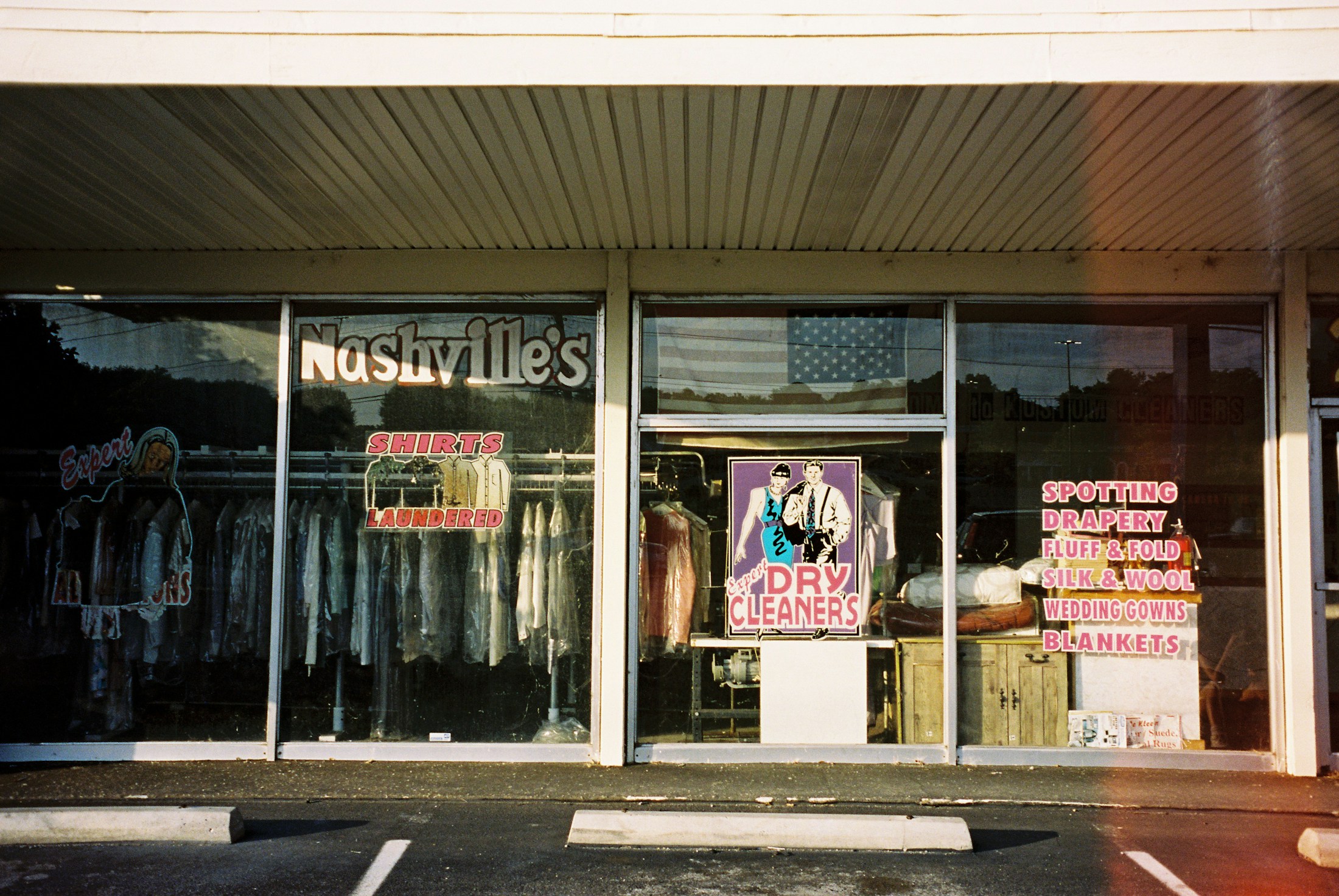
12 South corridor
Restaurants, retail, crowds, and the strongest walkability premium.
The polished postcard, with a house-price premium and weekend foot traffic.
12 South and Belmont-Hillsboro are Nashville at its most polished: sidewalks, old houses, restaurants, universities, trees, and enough pedestrian life to feel rare in the region. It is the neighborhood many movers picture before they understand the price.
The weekend version is crowded. 12 South has become a visitor corridor, and that energy lives next to residential streets. Belmont-Hillsboro is calmer but still expensive and campus-adjacent.
This is a premium choice for households that want a central, walkable life and can tolerate tourist pressure or pay for quieter blocks just off it.
The street is beautiful on a Tuesday morning. That is why we paid for it. The surprise is that 12 South is now a destination, not just a neighborhood.
We love being able to walk to dinner, but we do not pretend the weekend crowd is a small thing.
Composite 12 South buyer, 41, two years in · Dual-income household with one elementary-school child
The price bands, the streets, the trade-offs inside the boundary.
Restaurants, retail, crowds, and the strongest walkability premium.
University-adjacent, old houses, calmer streets, and limited inventory.
More transition, more new construction, and a shorter walk to downtown-side jobs.
Walkable retail, restaurants, universities, and old-house character Better daily-life texture than most Sun Belt premium neighborhoods Central enough to avoid the outer-pike commute The strongest version of 12 South and Belmont-Hillsboro is not generic Nashville branding. It is a specific operating system: commute, social life, school path, and housing type all bundled together.
Tourist and brunch traffic is now part of the bargain Entry-level houses have mostly left the chat School zoning still needs address-level verification The neighborhood works best when those costs are named before the lease or offer, not discovered after move-in.
Restaurants, retail, crowds, and the strongest walkability premium. In practice, this is the pocket where the headline neighborhood splits into real decisions. The price band, parking pattern, school lookup, and commute route should be checked separately from the broader 12 South and Belmont-Hillsboro reputation.
This is usually the version newcomers tour first, so it carries the strongest premium.
University-adjacent, old houses, calmer streets, and limited inventory. In practice, this is the pocket where the headline neighborhood splits into real decisions. The price band, parking pattern, school lookup, and commute route should be checked separately from the broader 12 South and Belmont-Hillsboro reputation.
This is often the compromise pocket, with a slightly different mix of space, noise, and convenience.
More transition, more new construction, and a shorter walk to downtown-side jobs. In practice, this is the pocket where the headline neighborhood splits into real decisions. The price band, parking pattern, school lookup, and commute route should be checked separately from the broader 12 South and Belmont-Hillsboro reputation.
This is the diligence pocket, where value is more possible but address-level checks matter most.
At this price point, many buyers are choosing between renovated older homes, smaller cottages, or new infill with less lot than the price suggests. Renovation budgets matter because the charm is often attached to older systems.
12 South and Belmont-Hillsboro is mostly a low-property-tax story compared with Austin, Illinois, and many Northeast markets. Davidson County residential property is assessed at 25 percent of appraised value, and the effective Metro tax load is roughly 0.70 percent in the common Urban Services District example. The caution is not the rate.
It is buying an older house, then discovering insurance, repairs, and reappraisal timing at the same time.
Families must check the exact zone and the private or optional-school backup. The neighborhood is family-friendly in feel, but the public-school answer is still address-specific. The Austin-quality check here is not whether the neighborhood name sounds family-friendly.
It is the exact elementary, middle, and high school path, the optional-school application calendar, the realistic backup if the lottery does not land, and the commute between school pickup and work. In Nashville, the school decision often happens before the house decision. Families who reverse that order are the ones who discover the cost later.
The main lived issues are traffic, weekend crowds, theft from cars, and party spillover near the retail corridor. Residential blocks away from the corridor feel calmer, and they price accordingly. The safety check should be run at three levels: MNPD district or ZIP, the exact block after dark, and the household's daily exposure to parking lots, pikes, nightlife, storms, and school pickup.
Nashville safety is less about one citywide label than the particular risks the address creates.
| To | Peak car | Off-peak | Transit |
|---|---|---|---|
| Vanderbilt / medical center | 14 min | 8 min | 20 min |
| Downtown | 22 min | 12 min | 28 min |
| Green Hills | 20 min | 10 min | 28 min |
| East Nashville | 38 min | 22 min | - |
| Airport | 28 min | 18 min | 52 min |
| Franklin / Brentwood | 42 min | 26 min | - |
This is one of the better central locations for Vanderbilt, Belmont, downtown, and Green Hills. It is weaker for airport and far suburban commutes.
Low prices. Quiet weekends near the retail strip. Large lots at attainable prices.
A guarantee that the cute house has updated systems.
You want polished walkability. You can pay the premium. You value universities and central access.
You can tolerate visitor traffic.
12 South and Belmont-Hillsboro does not fit a household that wants the Nashville brand without the address-level work. If the commute, school path, parking, storm plan, and budget only work on a perfect week, the neighborhood is already telling you no.
Worth it if walkability, central access, and old-house streets are the priority and the budget is real.
Not worth it if you expect quiet weekends or value pricing.
Generally yes. It is still central and university-adjacent, but it has less retail-tourism pressure than the 12 South corridor.
It can be, but families should verify the exact school path and budget for the premium.
Verify parking, commute at the real hour, MNPD data by ZIP or council district, school zone if kids are involved, storm shelter location, and whether the block feels different after dark.
Do not use the neighborhood name as the check.
Pull the parcel record, estimate tax using Metro's residential assessment formula, get insurance quotes, check roof and drainage, walk the street after rain, and price the school path.
Nashville's low property tax helps, but older houses and family logistics can take the savings back.
Skip it if the draw is only that it sounds like Nashville.
This area needs a specific reason: commute, schools, walkability, healthcare access, creative scene, suburban certainty, or a defined one-year chapter.
The most common mistake is touring on a good weekend and signing for the vibe.
The right test is a normal Tuesday morning, a rainy school pickup, a late grocery run, and the actual route to work.
If 12 South and Belmont-Hillsboro is not the right fit, here is what is next door.
The creative answer, if you pick the right pocket and accept the car-break-in risk.
Read the East guide →The most functional urban Nashville, priced for people who mean it.
Read the Germantown guide →The practical west-side compromise: breweries, greenway, teardowns, and a real commute advantage.
Read the The guide →