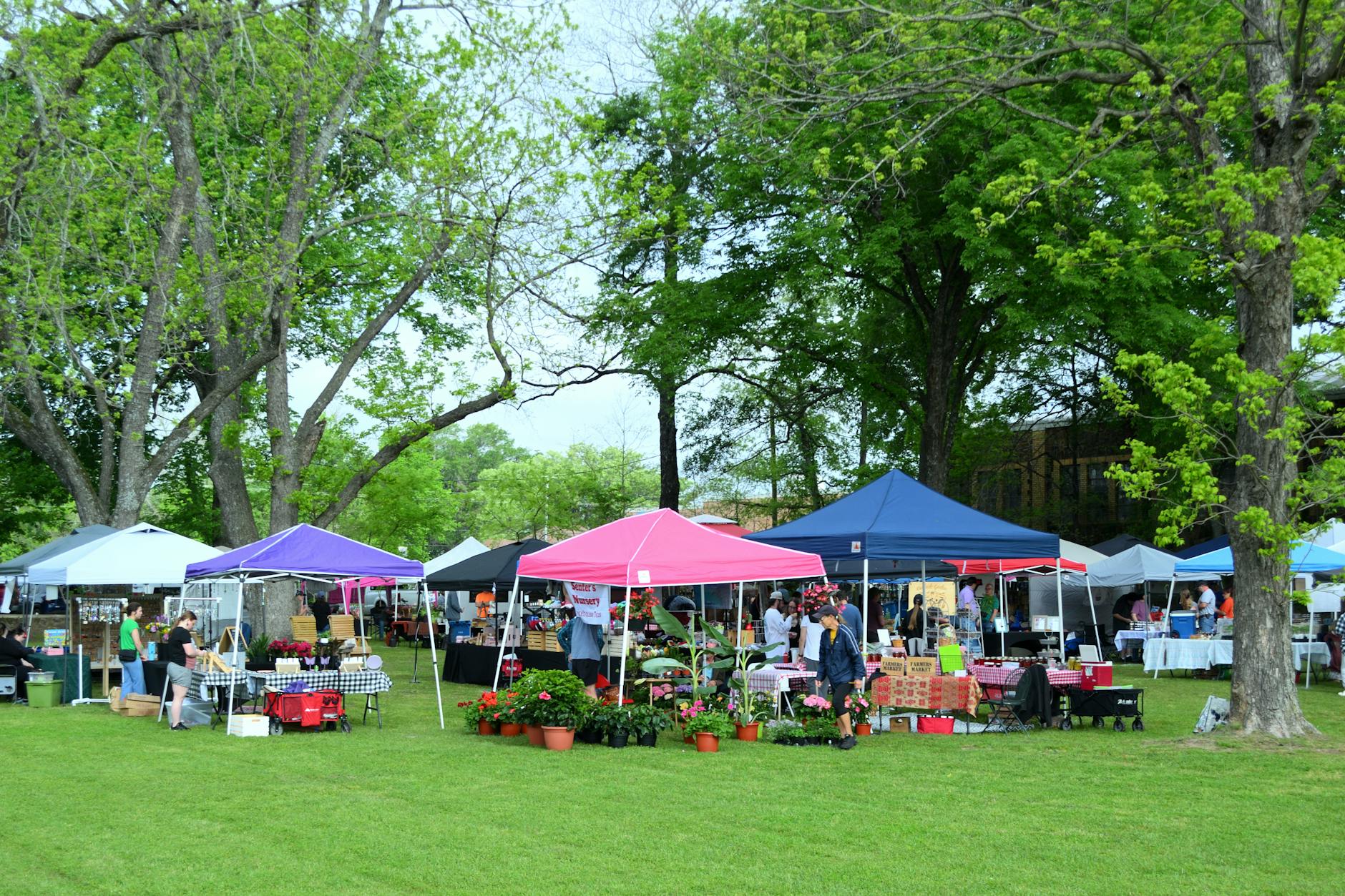
Germantown core
Restaurants, brick sidewalks, townhomes, condos, and the highest walkability premium.
The most functional urban Nashville, priced for people who mean it.
Germantown and Salemtown are the most practical urban Nashville for many movers. You can walk to restaurants, coffee, the Farmers Market, parks, downtown edges, and state or office jobs. The neighborhood feels like a city in a region that often does not.
The trade is price and proximity. You are close enough to downtown to benefit from it and close enough to inherit some of its event traffic, parking pressure, and noise. Townhomes and condos dominate the attainable buyer path.
This is a strong first-year neighborhood for professionals who want a walkable Nashville base and can pay for it.
Germantown is the part of Nashville that behaves most like an urban neighborhood. I can walk to coffee, dinner, the Farmers Market, and the state office campus. The price is that every event downtown becomes part of the background.
I pay for walkability and then pay again in parking discipline.
Composite Germantown renter, 34, one year in · Downtown office worker, moved from Atlanta
The price bands, the streets, the trade-offs inside the boundary.
Restaurants, brick sidewalks, townhomes, condos, and the highest walkability premium.
Slightly quieter and more residential, with rapid infill and a thinner retail map.
Convenient to downtown and the market, with more traffic and event spillover.
Real sidewalks, restaurants, coffee, parks, and the Farmers Market Shortest practical commute to downtown without tower living Townhome and condo stock for buyers who do not want a yard The strongest version of Germantown and Salemtown is not generic Nashville branding. It is a specific operating system: commute, social life, school path, and housing type all bundled together.
High price per square foot and small outdoor space Downtown event spillover and stadium traffic reach the neighborhood Not a long-term school answer for most families The neighborhood works best when those costs are named before the lease or offer, not discovered after move-in.
Restaurants, brick sidewalks, townhomes, condos, and the highest walkability premium. In practice, this is the pocket where the headline neighborhood splits into real decisions. The price band, parking pattern, school lookup, and commute route should be checked separately from the broader Germantown and Salemtown reputation.
This is usually the version newcomers tour first, so it carries the strongest premium.
Slightly quieter and more residential, with rapid infill and a thinner retail map. In practice, this is the pocket where the headline neighborhood splits into real decisions. The price band, parking pattern, school lookup, and commute route should be checked separately from the broader Germantown and Salemtown reputation.
This is often the compromise pocket, with a slightly different mix of space, noise, and convenience.
Convenient to downtown and the market, with more traffic and event spillover. In practice, this is the pocket where the headline neighborhood splits into real decisions. The price band, parking pattern, school lookup, and commute route should be checked separately from the broader Germantown and Salemtown reputation.
This is the diligence pocket, where value is more possible but address-level checks matter most.
The buyer path is usually a townhouse, condo, or narrow-lot infill. You pay a high price per square foot because the neighborhood solves a scarce Nashville problem: walkable daily life close to downtown without living on Broadway.
Germantown and Salemtown is mostly a low-property-tax story compared with Austin, Illinois, and many Northeast markets. Davidson County residential property is assessed at 25 percent of appraised value, and the effective Metro tax load is roughly 0.70 percent in the common Urban Services District example. The caution is not the rate.
It is buying an older house, then discovering insurance, repairs, and reappraisal timing at the same time.
Most families do not treat Germantown as a simple long-term school answer. Young families can make it work with MNPS research or private planning, but the neighborhood is strongest for child-free households or families before elementary school becomes decisive. The Austin-quality check here is not whether the neighborhood name sounds family-friendly.
It is the exact elementary, middle, and high school path, the optional-school application calendar, the realistic backup if the lottery does not land, and the commute between school pickup and work. In Nashville, the school decision often happens before the house decision. Families who reverse that order are the ones who discover the cost later.
Germantown feels safer than the downtown core for many residents, but it is still near event traffic and urban property-crime patterns. Parking, lighting, garage access, and building security matter. The safety check should be run at three levels: MNPD district or ZIP, the exact block after dark, and the household's daily exposure to parking lots, pikes, nightlife, storms, and school pickup.
Nashville safety is less about one citywide label than the particular risks the address creates.
| To | Peak car | Off-peak | Transit |
|---|---|---|---|
| Downtown | 10 min | 5 min | 12 min |
| Vanderbilt / medical center | 24 min | 14 min | 32 min |
| East Nashville | 18 min | 10 min | 34 min |
| Airport | 26 min | 16 min | 42 min |
| Green Hills | 36 min | 22 min | 54 min |
| Franklin / Brentwood | 52 min | 30 min | - |
The downtown commute is excellent. Vanderbilt and hospitals are manageable. Franklin, Brentwood, and far west-side trips are less pleasant and should be tested at peak.
Yard space. Low price per square foot. Distance from downtown event pressure.
A simple school path.
You want urban Nashville. You work downtown or nearby. You are comfortable with townhome or condo living.
You want to drive less than the average Nashville household.
Germantown and Salemtown does not fit a household that wants the Nashville brand without the address-level work. If the commute, school path, parking, storm plan, and budget only work on a perfect week, the neighborhood is already telling you no.
Yes by Nashville standards. It is one of the few neighborhoods where restaurants, coffee, parks, and downtown edges can be part of normal walking life.
It works best for young families before school becomes the main constraint or for families with a deliberate school plan.
Yes. The price reflects scarce walkability, proximity to downtown, and limited land.
Verify parking, commute at the real hour, MNPD data by ZIP or council district, school zone if kids are involved, storm shelter location, and whether the block feels different after dark.
Do not use the neighborhood name as the check.
Pull the parcel record, estimate tax using Metro's residential assessment formula, get insurance quotes, check roof and drainage, walk the street after rain, and price the school path.
Nashville's low property tax helps, but older houses and family logistics can take the savings back.
Skip it if the draw is only that it sounds like Nashville.
This area needs a specific reason: commute, schools, walkability, healthcare access, creative scene, suburban certainty, or a defined one-year chapter.
The most common mistake is touring on a good weekend and signing for the vibe.
The right test is a normal Tuesday morning, a rainy school pickup, a late grocery run, and the actual route to work.
If Germantown and Salemtown is not the right fit, here is what is next door.
The creative answer, if you pick the right pocket and accept the car-break-in risk.
Read the East guide →The polished postcard, with a house-price premium and weekend foot traffic.
Read the 12 guide →The practical west-side compromise: breweries, greenway, teardowns, and a real commute advantage.
Read the The guide →